
Connect the product experience from setup to service.
Software that reflects what the equipment does and what people need from it.
Boneless Grills develops mobile and cloud software alongside product electronics and firmware, or integrates with a defined existing device interface. The goal is a useful connected experience for owners, operators and the people supporting the product.
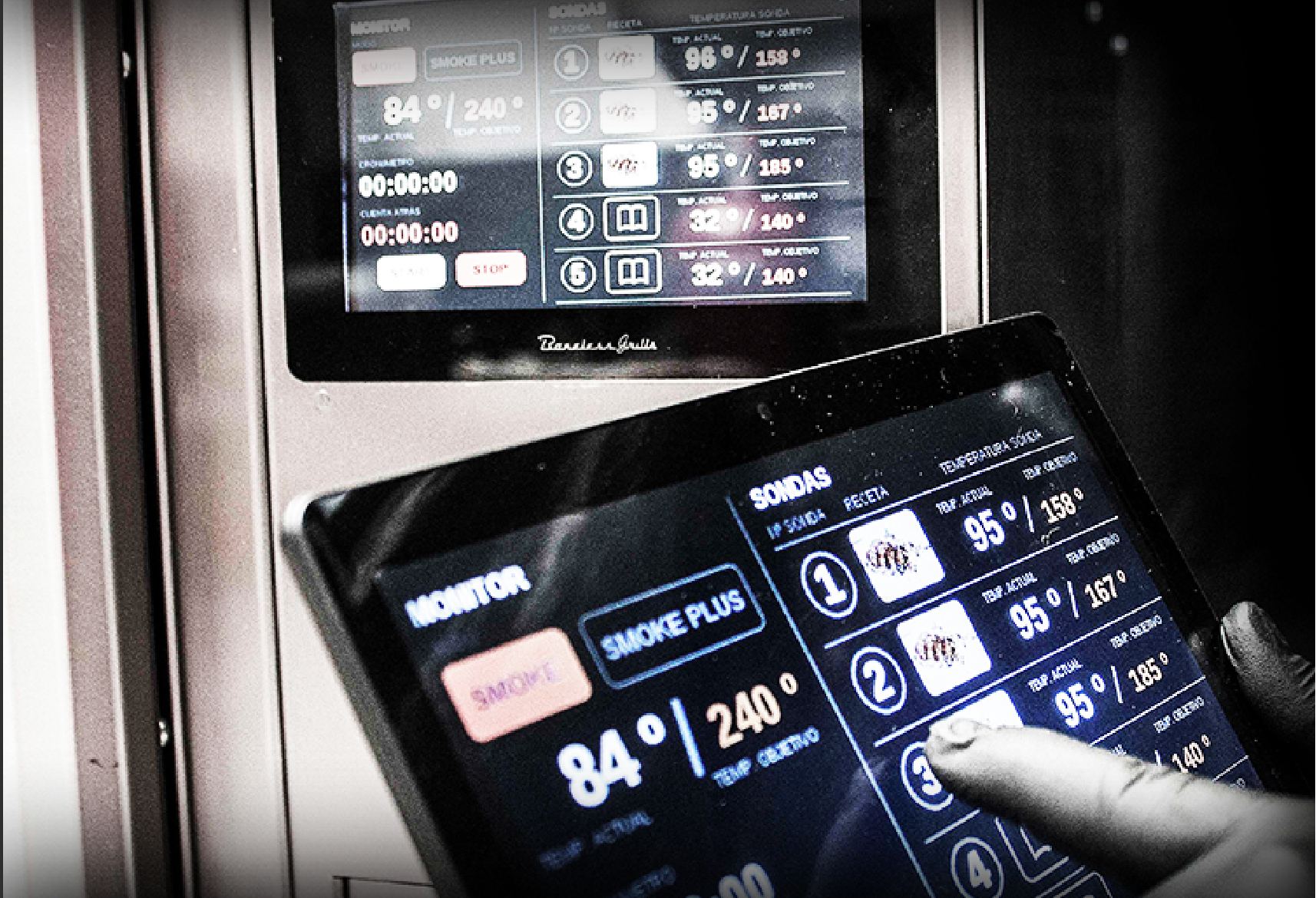
Start with the user’s task.
Set up a device. Understand its status. Change a permitted setting. Receive a meaningful alert. Investigate a service issue. We translate those tasks into the app, device communications and backend behavior required to support them.
Build the right connected functions.
- Device onboarding, pairing, accounts and access roles.
- Status views, historical information and alerts based on supported device data.
- Remote commands within the product’s permitted operating envelope.
- Cloud APIs, device communications and integrations.
- Service and diagnostic tools for authorized teams.
- Firmware update workflows where the hardware and security model support them.
Make interruptions part of the design.
Phones become unavailable and connections drop. We define local operation, command acknowledgment, synchronization and error handling so the connected experience has a clear relationship with the equipment’s actual state.
Design for ownership and operation.
Cloud accounts, credentials, app-store listings, data and third-party services need clear owners. We identify those responsibilities along with hosting costs, maintenance and the ongoing work required to run the system.
Add AI where it has a clear job.
When the application benefits, AI can run in the device, the app or a cloud service: anomaly detection across several signals, maintenance recommendations from operating history, or product assistance grounded in approved product information. We define the data, response times and user controls first, and test the benefit against a simpler rule-based baseline.
Local protective controls remain independent of any AI output, and the product keeps a clear fallback when data, connectivity or the AI service is unavailable.
Treat security as an engineering requirement.
Authentication, access control, device identity, update integrity and data handling are specified and tested against the product’s deployment and risks. Where an established platform is a good fit, we can assess it alongside custom development.
Where does the connected experience need to improve?
Tell us whether the problem is setup, daily use, diagnostics or a platform that needs to evolve.
Discuss your app and cloud project